Dead Branch Removal in Reno, NV
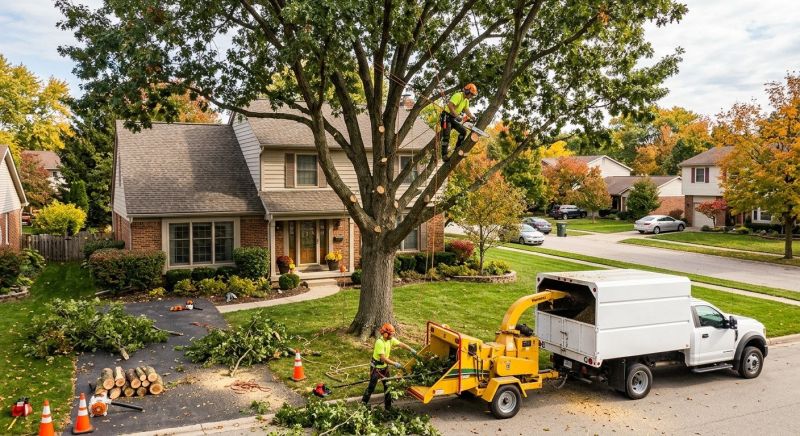
Dead branch removal services involve safely removing overgrown, damaged, or hazardous branches from trees on residential properties. This service is often requested for projects such as clearing away dead or broken limbs that pose a risk of falling, maintaining the health and appearance of trees, or preparing a yard for seasonal changes. Property owners typically want to understand which branches need removal, the potential impact on tree health, and how the process will be managed to ensure safety and minimal disruption to the landscape.
Before requesting dead branch removal, property owners should consider the condition of their trees and identify any branches that appear diseased, cracked, or hanging precariously. It's also helpful to know the extent of the removal needed and whether any additional tree care services might be beneficial. Clear communication about the specific concerns and the desired outcome can assist in planning the project effectively, ensuring the safety of the property and the longevity of the trees.
Many property owners in Reno, NV look into Dead Branch Removal for repairs, replacements, upgrades, and appearance-related improvements.
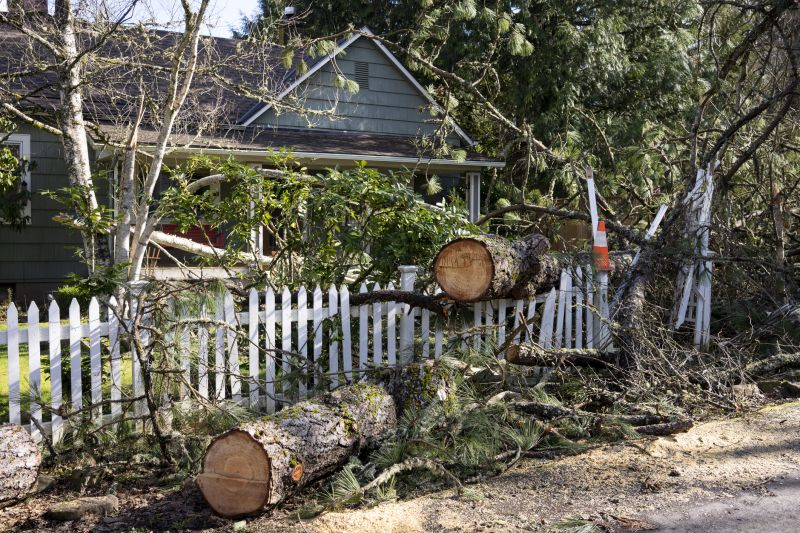
Safety And Property Protection
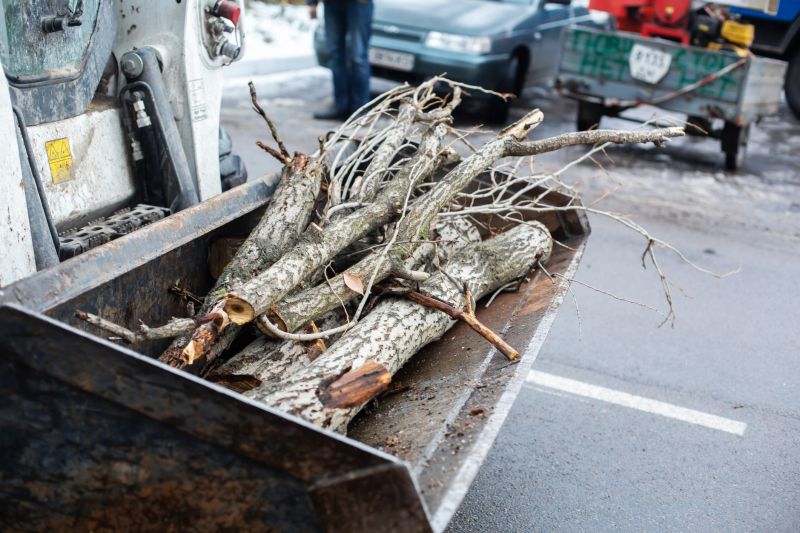
Removing dead branches reduces the risk of falling and property damage.
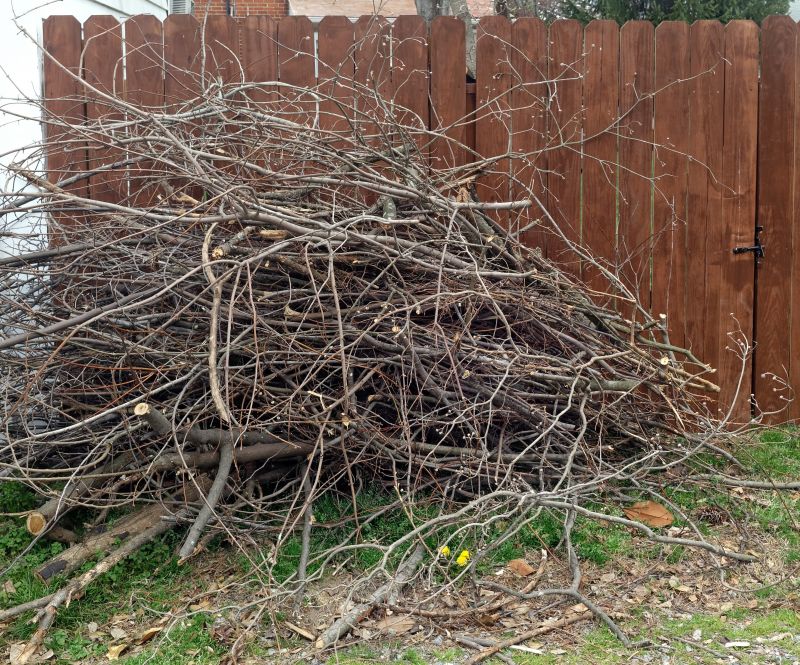
Tree Health And Maintenance
Pruning dead branches helps maintain the overall health and appearance of trees.
Aesthetic Improvement
Dead branch removal enhances the visual appeal of yards and landscapes in reno.
Dead Branch Removal in Reno, NV
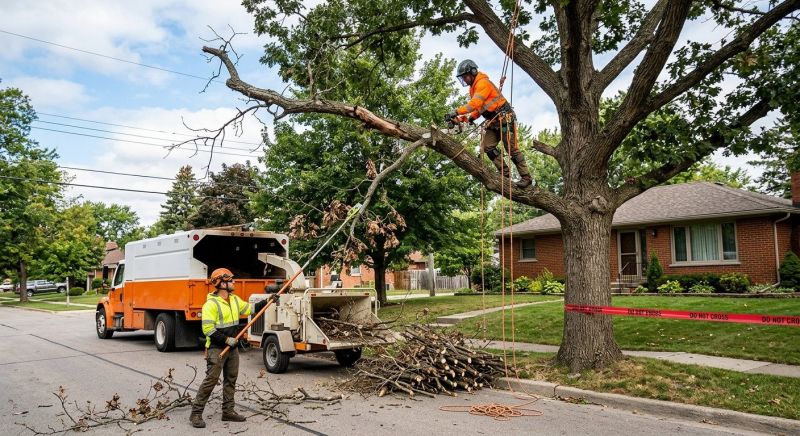
Dead branch removal services involve safely removing overgrown, damaged, or hazardous branches from trees on residential properties. This service is often requested for projects such as clearing away dead or broken limbs that pose a risk of falling, maintaining the health and appearance of trees, or preparing a yard for seasonal changes. Property owners typically want to understand which branches need removal, the potential impact on tree health, and how the process will be managed to ensure safety and minimal disruption to the landscape.
Before requesting dead branch removal, property owners should consider the condition of their trees and identify any branches that appear diseased, cracked, or hanging precariously. It's also helpful to know the extent of the removal needed and whether any additional tree care services might be beneficial. Clear communication about the specific concerns and the desired outcome can assist in planning the project effectively, ensuring the safety of the property and the longevity of the trees.
Many property owners in Reno, NV look into Dead Branch Removal for repairs, replacements, upgrades, and appearance-related improvements.
Common Dead Branch Removal Jobs
Dead Tree Removal - safely removing trees that pose a risk to the property or safety.
Storm Damage Cleanup - removing dead branches and debris after severe weather events.
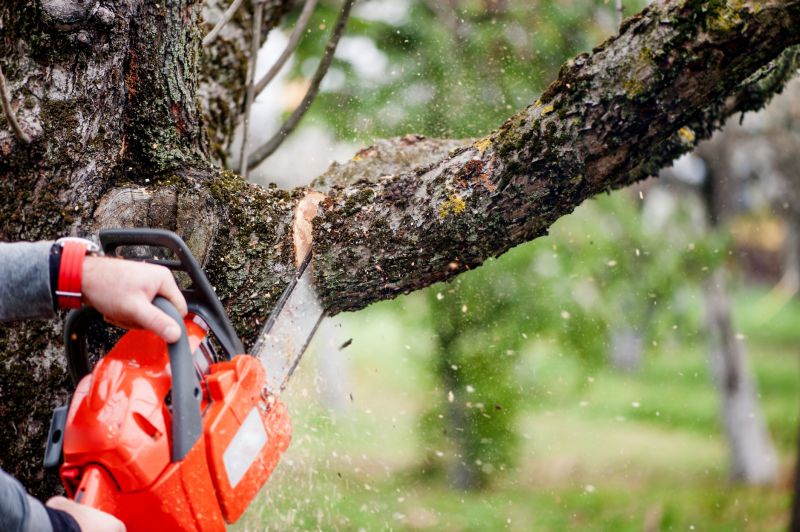
Tree Pruning and Trimming - eliminating dead or dying branches to promote healthy growth.
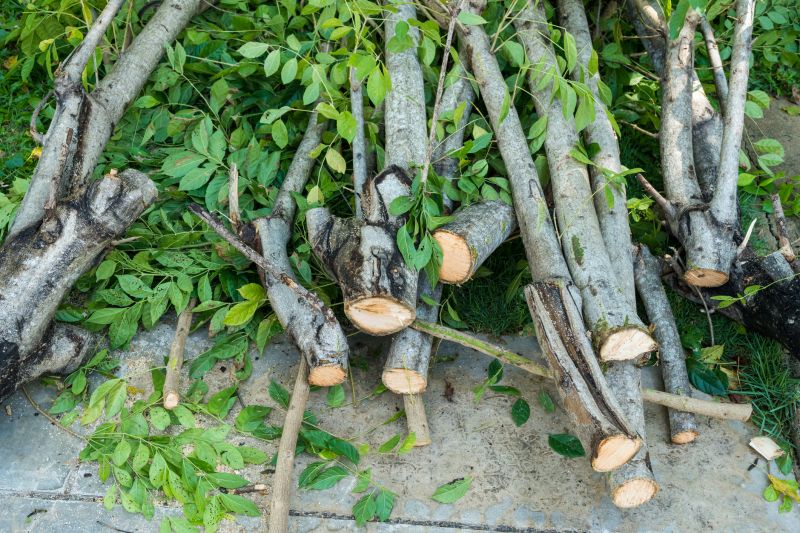
Hazardous Branch Removal - removing weak or broken branches that could fall unexpectedly.
Landscape Maintenance - clearing dead wood to improve the appearance and health of trees.
Emergency Branch Removal - quickly addressing fallen or broken branches after storms or accidents.
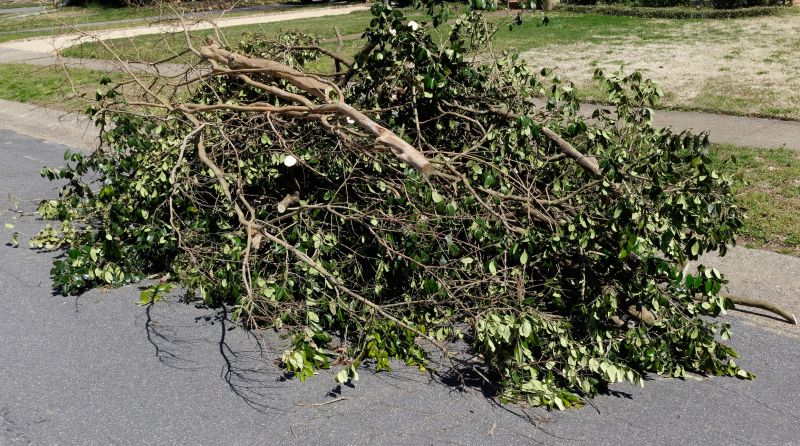
Dead Branch Removal Questions
Why should dead branches be removed? Removing dead branches helps prevent potential damage to the property and reduces the risk of falling debris that could cause injury or damage during storms.
How can dead branches affect tree health? Dead branches can harbor pests and diseases, which may spread to healthy parts of the tree, leading to further decline or death.
What signs indicate a branch is dead? Branches that are brittle, have no leaves or buds, or show signs of decay are typically dead and may need removal.
Is dead branch removal necessary for safety? Yes, removing dead branches reduces hazards such as falling limbs that can pose risks to people and property.
Request Dead Branch Removal in Reno, NV
Use the quote form on this page to share the basics of your project and request more information for the type of work you need.